 blog
Best Small-Batch Coffee Roasters for Home Espresso
Last Updated: October 22, 2026
Quick Summary
The best small-batch coffee roasters in Australia roast to order, so beans arrive days after roasting rather than months, and they show a clear roast date on the bag. Vet them on roast date transparency, origin information, roast-to-order practice, verifiable sourcing claims and a clear satisfaction policy.
- Small-batch roasting costs more per kilogram because you lose the economies of scale.
- Rest espresso beans for several days after the roast date before brewing.
- Choose a blend for daily milk drinks and a single-origin for straight espresso.
- A roaster that hides its roast dates is not worth buying from.
- Start with a medium-dark blend and a recipe the roaster provides.
Table of Contents
- What Makes Small-Batch Coffee Roasters Different
- Why Speciality Coffee Beans for Espresso Matter at Home
- How Freshly Roasted Espresso Beans Change Your Shot
- Single-Origin Coffee for Espresso: When It Works Best
- Espresso Coffee Blends: The Reliable Everyday Choice
- How to Vet Small-Batch Coffee Roasters Before You Buy
- Matching Beans to Your Setup and Drinking Habits
- Conclusion
- Frequently Asked Questions
What Makes Small-Batch Coffee Roasters Different
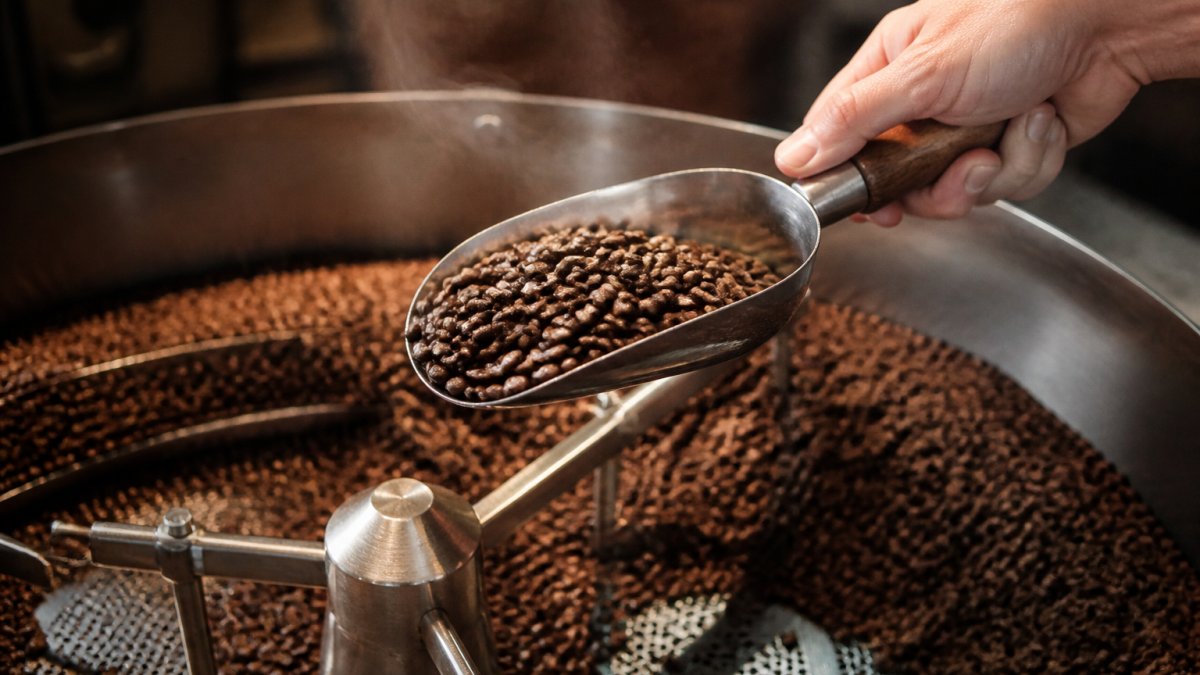
Small-batch coffee roasters roast in small quantities, often to order, so beans reach you days after roasting rather than months. That single difference in the supply chain is what separates a memorable espresso from a flat one, and it is the reason we roast individually at Endymion Coffee rather than in large production runs.
Most supermarket beans carry a best-before date measured in months. Small-batch roasters work on a different clock entirely. The roast date matters more than any other detail on the bag, and small-batch roasting is what makes a recent roast date possible.
Here is the honest trade-off: small-batch roasting costs more per kilogram because you lose the economies of scale. You are paying for freshness, traceability and a roaster who actually knows the lot they sold you. For a premium home espresso setup, that trade is usually worth it.
Why Speciality Coffee Beans for Espresso Matter at Home
Speciality coffee beans for espresso are graded lots that score highly for flavour clarity, grown and processed with care and roasted to suit espresso extraction. The grade matters at home because espresso concentrates everything: a defect that tastes mild in a filter brew becomes harsh and bitter in a 30-second shot.
Your machine cannot rescue poor green coffee. It can only extract what is already there. Buy well-grown, carefully processed beans and a mid-range machine will produce café-quality cups. Buy commodity beans and even a top-tier setup will taste thin.
This is where most home setups go wrong. People spend heavily on the machine, then economise on the beans. We would flip that priority every time.
How Freshly Roasted Espresso Beans Change Your Shot
Freshly roasted espresso beans change your shot because carbon dioxide trapped during roasting alters how water flows through the puck. Beans rested a few days after roast release gas steadily, giving you a stable, even extraction and a thicker crema. Beans roasted months ago have degassed completely and taste flat.
There is a sweet spot, though. Beans used within hours of roasting can gush and taste sharp. Most roasters suggest resting espresso beans for several days after the roast date, then using them over the following few weeks.
A common mistake is buying a large bag to save on shipping and then drinking stale coffee for a month. Buy smaller, more often. Your espresso will thank you.
Single-Origin Coffee for Espresso: When It Works Best
Single-origin coffee for espresso works best when you want to taste one place clearly: a washed Ethiopian with bright citrus, a Colombian with caramel sweetness. Single-origin espresso is less forgiving than a blend, because there is no second bean to balance the extraction.
Choose single-origin for espresso when:
- You drink mainly straight espresso or short milk drinks
- You enjoy noticing how a lot changes from season to season
- You are willing to dial in your grind and dose more carefully
Reach for a blend instead if you drink large flat whites or lattes daily. Milk mutes delicate top notes, and a single-origin's subtlety gets lost.
The real difference between single-origin and blends comes down to consistency versus character. Single-origin offers character. Blends offer consistency.
Espresso Coffee Blends: The Reliable Everyday Choice
Espresso coffee blends combine two or more origins to produce a balanced, repeatable shot. Roasters build blends so one bean's body supports another's sweetness, which makes them forgiving of small grind and dose errors. For most home setups, a well-built blend is the smarter everyday purchase.
Blends shine in milk. A blend with chocolate and caramel notes holds its own against steamed milk, where a delicate single-origin would disappear. They also tend to be more consistent batch to batch, which matters if you drink espresso every morning and do not want surprises.
Our own approach is to roast each order individually, so a blend arrives at its best rather than sitting in a warehouse. Effie B. from Melbourne described our MAST blend as having "a beautiful rich aroma, dark roasted but not burnt," with a strong taste that "gives a great hit." That is the balance we aim for in a blend: depth without bitterness.
How to Vet Small-Batch Coffee Roasters Before You Buy
Vetting small-batch coffee roasters comes down to five checks: roast date transparency, origin information, roast-to-order practice, ethical sourcing claims you can verify, and a clear satisfaction policy. Run every roaster through these before you spend money.
Use this checklist:
- Does the bag show a roast date, not just a best-before date?
- Can you see the farm, region or cooperative behind the beans?
- Do they roast to order, or hold stock in a warehouse?
- Are sourcing claims specific, or vague marketing language?
- Is there a refund or replacement policy if the coffee disappoints?
A roaster that passes all five is worth trying. One that hides its roast dates is not.
Australian Competition and Consumer Commission guidance on misleading claims is worth reading if a roaster's ethical sourcing language feels vague. Claims about fair treatment of growers should be specific and verifiable.
Matching Beans to Your Setup and Drinking Habits
Matching beans to your setup starts with three questions: what machine you own, what you drink, and how often. A basic machine with a pressurised basket suits a forgiving medium-dark blend. A setup with a proper grinder and non-pressurised basket can handle lighter single-origins and the dialling-in they demand.
Your Setup | Best Bean Style | Why |
|---|---|---|
Basic machine, pressurised basket | Medium-dark blend | Forgiving of grind inconsistency |
Entry grinder, non-pressurised basket | Medium blend | Balances sweetness and body |
Quality grinder, dual boiler | Single-origin or blend | Full control over extraction |
Milk-heavy drinker | Espresso blend | Holds flavour against milk |
Straight espresso drinker | Single-origin | Clear origin character |
If you are not a coffee expert and just want good coffee without fiddling with water temperatures, start with a medium-dark blend and a recipe the roaster provides. You do not need to become a barista. You need fresh beans and one variable changed at a time.
We keep our range small and roast each order individually, so you get beans near their peak rather than guessing at freshness. Pair that with our full refund or replacement policy, and trying a new lot carries little risk.
Conclusion
The hardest part of home espresso is not the machine. It is finding a roaster whose beans arrive fresh, taste consistent and are sourced honestly, order after order. That reliability is what turns a good setup into great coffee.
At Endymion Coffee, we roast individually rather than in large batches, focus on rich flavour and climate-resilient sourcing, and back every order with a satisfaction guarantee. If you want café-quality espresso at home, start with beans roasted for you, not for a shelf.
Frequently Asked Questions
What makes a coffee roaster small-batch?
A small-batch roaster roasts in limited quantities per session rather than running continuous large-volume production. That means each roast is easier to monitor, adjust and repeat, and beans are typically roasted closer to the order date. For home espresso, the practical benefit is freshness: you are more likely to receive beans within days of roasting rather than weeks. Ask any roaster how often they roast and whether orders are roasted to order, because those two answers tell you more than a 'small-batch' label on the bag.
How fresh should espresso beans be when they arrive?
Freshly roasted espresso beans are usually at their best somewhere between one and four weeks after the roast date, depending on the bean and roast level. Beans need a short rest after roasting to release gas, so a bag roasted two or three days ago often pours better than one roasted yesterday. Check that the bag carries an actual roast date rather than only a best-before date, and store beans in an airtight container away from light and heat to keep them performing well.
Are single-origin or blended beans better for espresso?
Neither is automatically better; they do different jobs. Single-origin coffee for espresso lets you taste one region's character clearly, which suits drinkers who want variety and are willing to adjust their grind. Espresso coffee blends combine origins for balance and consistency, which makes them more forgiving across milk drinks and day-to-day use. Many home setups run a blend as the house option and rotate a single origin for straight shots. Try both from the same roaster to see which suits your palate.
How can I tell whether a roaster sources ethically?
Look for specifics rather than slogans. A credible roaster will name the farms or cooperatives, state the region and altitude, and describe the relationship with growers, such as direct trade arrangements or long-term purchasing. Certification logos help but are not the only signal. If a roaster cannot tell you where a particular lot came from or how long they have worked with that producer, treat the ethical claims with caution. Ask directly and see how detailed the answer is.
Great espresso at home comes down to one decision: who roasts your beans. Endymion Coffee roasts each order individually, delivers cafe-quality flavour for home and retail, and supports growers with a focus on climate resilience. Every order is backed by a full refund or replacement policy. Get started with Endymion Coffee and taste the difference fresh, small-batch roasting makes in your next shot.