 blog
Ethical Coffee Brands: Transparent Sourcing in 2026
Table of Contents
- What Transparent and Ethical Sourcing Actually Means
- How to Choose Ethical Coffee Without Guesswork
- Coffee Sourcing Certifications That Carry Real Weight
- Traceable Coffee Beans: Following the Bean Back to the Farm
- Direct Trade Coffee and What It Changes for Growers
- How Ethical Coffee Brands Demonstrate Transparency
- Conclusion
- Frequently Asked Questions
Last Updated: 22 October 2026
What Transparent and Ethical Sourcing Actually Means
Ethical coffee is coffee produced and traded in a way that protects growers, workers and the land, and where the roaster can show you the evidence. Transparency is the proof layer: named farms, disclosed prices, published reports. One without the other is just marketing.
Here's the uncomfortable truth most guides skip. Almost every roaster now says "ethically sourced" on the bag. Very few can tell you which farm the beans came from, what the grower was paid, or how that price compares to the commodity market. That gap between the claim and the evidence is where the real story sits.
So when people ask which Australian coffee brands offer the most transparent and ethical sourcing practices, the honest answer is: the ones that publish specifics. Not the ones with the prettiest labels.
At Endymion Coffee, we roast in small batches and buy with provenance in mind. But we'd rather teach you how to audit any roaster, including us, than ask you to take a slogan on trust. Below, we'll show you exactly what to look for, what certifications actually mean, and how to follow a bean back to the farm.
How to Choose Ethical Coffee Without Guesswork
Start with one question: can this roaster tell me where the coffee came from? If the answer is vague, stop there. Everything else follows from traceability.
A practical approach is to score each roaster against four checks:
- Origin detail: farm or cooperative named, not just the country
- Price disclosure: what the grower was paid, or a clear statement of the pricing model
- Certification: a label you can verify independently
- Reporting: a published sourcing or sustainability report
Most roasters pass one or two. The best pass all four.
Then there's the flavour angle, which people forget. Coffee bought with care tends to be picked riper and processed better, and you taste it in the cup. A common mistake is treating ethics and quality as separate purchases. In speciality coffee they usually travel together.
If you're coming from supermarket beans, expect a difference in freshness first. Small-batch roasters typically roast to order, so the bag arrives days old, not months. That alone changes what you taste.
Coffee Sourcing Certifications That Carry Real Weight
Coffee sourcing certifications are third-party schemes that audit how coffee is grown and traded. The ones worth knowing are Fairtrade, Rainforest Alliance, Organic (certified to Australian standards) and B Corp for the business itself.
Each does a different job:
- Fairtrade focuses on a minimum price and a premium paid to the cooperative
- Rainforest Alliance covers environmental and social practices on the farm
- Certified Organic verifies growing methods and avoids prohibited inputs
- B Corp certifies the whole company against social and environmental standards
The key point: a certification is a floor, not a ceiling. It proves an audit happened. It doesn't prove the roaster is doing everything possible. Plenty of excellent sourcing happens outside certification schemes, especially at small roasters buying direct.
Check the claim yourself rather than trusting the logo. The Fairtrade Australia and New Zealand standards set out what the mark actually guarantees, and B Lab's B Corp directory lets you confirm a company's certification is current.
Traceable Coffee Beans: Following the Bean Back to the Farm
Traceable coffee beans are beans you can follow from the cup back to a specific farm, region and harvest. Full traceability means the roaster knows the producer by name and can show the paper trail.
Why it matters: traceability is what makes every other ethical claim checkable. Without it, "direct trade" and "fair price" are words. With it, they're facts.
What good traceability looks like on a bag or product page:
- Farm or cooperative name
- Region and altitude
- Variety and processing method
- Harvest or crop year
- Roast date
That last one is not an ethics issue, but it's a quality signal. Freshly roasted beans, ordered individually rather than pulled from old stock, arrive with flavour intact. Endymion Coffee roasts to order for exactly this reason.
The Specialty Coffee Association's guidance on traceability is a useful reference for what a proper origin record should include. If a roaster can't supply most of the list above, the trail stops at the warehouse door.
Direct Trade Coffee and What It Changes for Growers
Direct trade coffee is coffee bought by the roaster straight from the producer, cutting out intermediate buyers. The idea is a longer relationship and a better price for the farm.
Does it work? It can, and the difference shows up in three places:
- Price: growers are often paid above the commodity benchmark, though the figure is rarely published
- Stability: multi-year relationships give farms planning certainty
- Feedback: roasters can tell growers which lots scored well, improving quality over time
The catch is that "direct trade" has no universal certification. Anyone can print it on a bag. So treat it as a claim to verify, not a guarantee. Ask what the relationship looks like and how long it has run.
Climate resilience belongs in this conversation too. Long-term relationships give growers room to invest in shade, water management and replanting, which is what keeps supply steady as weather patterns shift. That's good for the farm and, frankly, good for anyone who wants coffee in ten years.
How Ethical Coffee Brands Demonstrate Transparency
Ethical coffee brands demonstrate transparency by publishing what they can be held to: named origins, pricing models, certification status and annual sourcing reports. The evidence is public, not buried in a sales pitch.
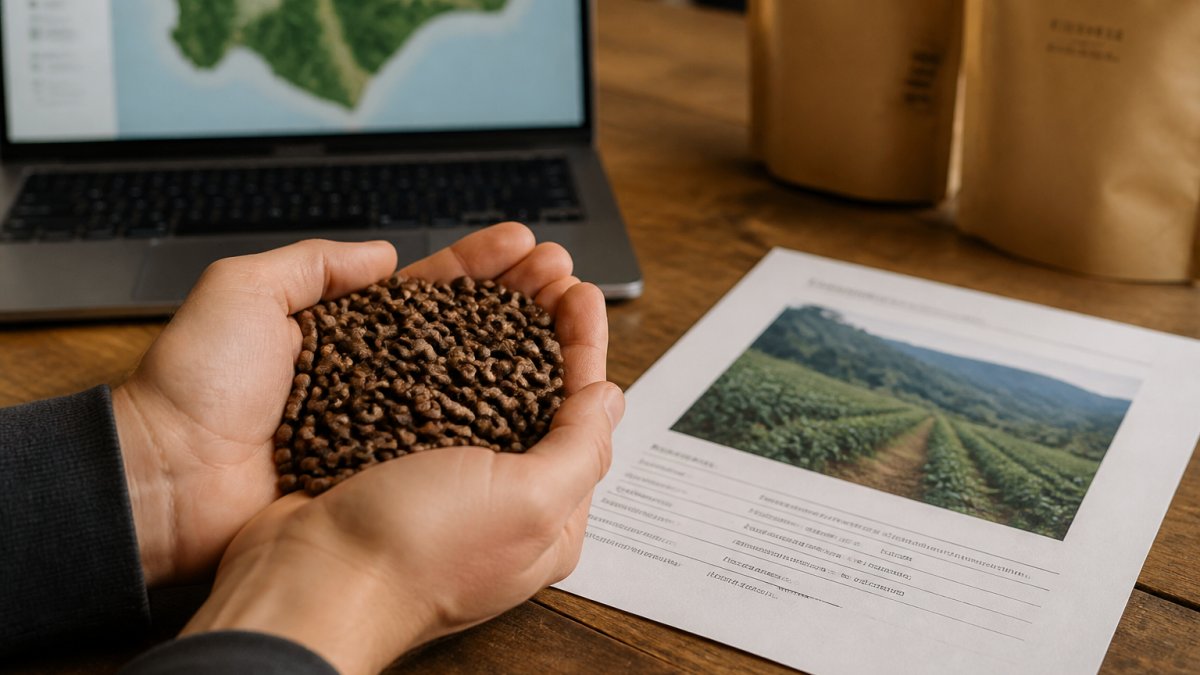
Here's what separates real transparency from theatre:
- Specifics over adjectives: a farm name beats "ethically sourced"
- Numbers where possible: price paid, premium above benchmark, volume purchased
- Consistency: the same claims on the bag, the website and the report
- Willingness to admit limits: honest roasters say what they don't yet know
At Endymion Coffee, we keep our sourcing close and our batches small. We support growers and their communities, and we focus on climate resilience because steady supply depends on it.
We aim to do our best to provide accurate sourcing information for every coffee we sell. You can find this on the Products page. Where possible we provide extended insights into sourcing and the people we buy our coffee from on the Origin Stories page.
The Australian Competition and Consumer Commission's guidance on green claims is worth reading if you want to know how regulators view vague environmental marketing. It sharpens your eye for the difference between a claim and a commitment.
Conclusion
The real challenge isn't finding a roaster who says the right things. It's finding one who shows the receipts, lot after lot, without being asked twice.
We'd like to be that roaster for you. Endymion Coffee roasts individually, not in large batches, so your beans arrive fresh with their origin intact. We buy with growers and their communities in mind, and we plan for climate resilience because good coffee depends on it. If a bag ever disappoints you, our full refund or replacement policy stands behind it.
Ready to taste the difference traceability makes? Buy now and see where your next cup actually came from.
Frequently Asked Questions
Which coffee certifications should I look for?
Start with certifications that audit both environmental and social standards. Fairtrade focuses on minimum prices and a premium paid to cooperatives. Organic certification covers farming inputs and is audited annually. B Corp certification assesses a company's overall social and environmental performance, including supply chain. Rainforest Alliance covers farming and biodiversity standards. No single certification covers everything, so a roaster holding more than one, and publishing audit summaries, tends to offer a fuller picture than a single logo on a bag.
What does traceable coffee mean?
Traceable coffee beans can be followed from the roasted bag back to a specific farm, cooperative or washing station, and often to a harvest period. Strong traceability means the roaster can name the producer, the region and the processing method, and can show records linking each batch to a purchase. Weak traceability stops at country level, which tells you very little. Ask a roaster for the farm name and the harvest date for a specific lot, then check whether that detail appears on the bag or the product page.
Does Fairtrade certification guarantee that coffee is ethically sourced?
Fairtrade sets a minimum price and a social premium for certified cooperatives, and it is independently audited, which makes it a useful baseline. It does not guarantee every ethical outcome. It says nothing definitive about how a specific lot tastes, how fresh it is when it reaches you, or whether the roaster maintains long-term relationships beyond the certificate. Treat Fairtrade as one signal among several, alongside direct trade relationships, published sourcing reports and clear lot-level traceability.