 ultimate-guide
How to Choose Coffee for Home Brewing: A 2026 Guide
Table of Contents
- Start With the Bean: Coffee Types That Suit Home Brewing
- Coffee Roast Levels Explained: Finding Your Flavour
- Matching Coffee Beans to Your Brewing Method
- Whole Bean vs Ground Coffee: What to Buy
- Freshness and Storage: Keeping Beans at Their Best
- What to Look For on a Coffee Bag
- Frequently Asked Questions
Last Updated: 20 October 2026
Start With the Bean: Coffee Types That Suit Home Brewing
Learning how to choose coffee for home brewing starts with one decision that shapes everything else: which species of bean goes in the bag. Get that right and the rest of the process, from roast to grind, becomes far easier to manage.
Arabica is the dominant speciality coffee species, prized for sweetness, acidity and layered flavour. Robusta carries more caffeine and a heavier, more bitter body. Most supermarket blends combine the two to keep costs down.
Here at Endymion Coffee, we roast single-origin and blended Arabica in small batches because that is where the flavour range lives. Effie B. from Melbourne put it plainly about our MAST blend: "dark roasted but not burnt. The taste is strong and the coffee gives a great hit."
A useful rule of thumb: if you drink black coffee or use a pour-over, start with Arabica. If you want a punchier espresso or drink mostly with milk, a blend with some Robusta can hold its own.
Coffee Roast Levels Explained: Finding Your Flavour
Roast level describes how far the beans are taken through the roaster, and it is the single biggest lever on flavour after the bean itself. Coffee roast levels explained simply: lighter roasts keep more origin character and acidity, medium roasts balance sweetness and body, and dark roasts bring chocolate, caramel and smoke.
- Light roast: bright, fruity, tea-like. Best for filter and pour-over.
- Medium roast: balanced sweetness with nutty notes. The most forgiving all-rounder.
- Dark roast: bold, low-acid, bittersweet. Suits espresso and milk drinks.
Our advice: buy a medium and a dark from the same origin once, brew both the same way, and taste the difference side by side. That single comparison teaches you more than any description.
Matching Coffee Beans to Your Brewing Method
The grind your equipment needs should drive which beans you buy, not the other way around. A bean that shines in a French press can taste thin and sour through an espresso machine if the roast and grind are wrong.
Coffee Beans for Espresso: Darker, Denser, Dialled In
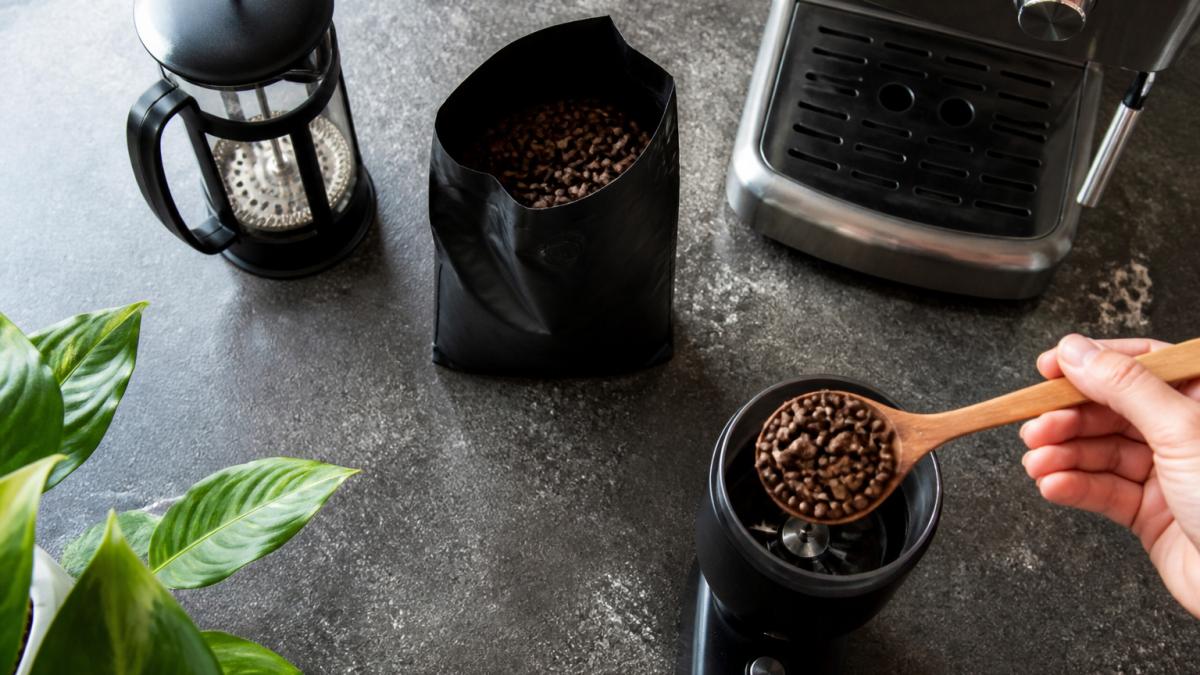
Espresso pushes water through fine grounds at pressure, so coffee beans for espresso usually work best at a medium-dark to dark roast. The darker development makes them more soluble, which helps you pull a syrupy shot without harsh acidity. Look for beans roasted for espresso specifically, and expect to adjust your grind a notch finer or coarser as the bag ages.
Coffee Beans for French Press: Coarse Grind, Full Body
Coffee beans for French press want a coarse grind and a roast with enough body to stand up to the full-immersion method. Medium to dark roasts work well here because the metal filter lets oils through, giving a heavier cup. Grind coarse, use water just off the boil, and let it steep for around four minutes.
Whole Bean vs Ground Coffee: What to Buy
Whole bean vs ground coffee comes down to one trade-off: freshness against convenience. Whole beans stay fresh far longer because the flavoursome oils stay sealed inside the bean until you grind. Pre-ground coffee is convenient but starts losing aroma within days of opening.
We always recommend whole bean if you own a grinder. If you don't, buy ground in smaller amounts and use it within a couple of weeks. The gap in the cup is noticeable, especially with lighter roasts.
Freshness and Storage: Keeping Beans at Their Best
Freshness is the difference between a memorable cup and a forgettable one. Coffee is best brewed roughly one to four weeks after its roast date, once it has had a few days to settle after roasting.
Store beans in an airtight container, away from light, heat and moisture. Keep them out of the fridge, where condensation and food odours do damage. Buy in amounts you will drink within a month rather than stockpiling.
This is where small-batch roasting matters. Beans roasted to order reach you close to their peak rather than sitting in a warehouse. If a bag arrives without a roast date, treat that as a warning sign.
What to Look For on a Coffee Bag
A good coffee bag tells you four things: the roast date, the origin, the roast level and the processing method. The roast date matters more than any best-before date, because coffee is a fresh product. Origin tells you the flavour territory, roast level tells you what to expect in the cup, and processing (washed, natural, honey) hints at the acidity and sweetness.
Ignore marketing language and look for specifics. A bag that names the farm or region and stamps the roast date is usually a bag worth buying. One that hides behind vague terms and a distant expiry date is not.
Choosing coffee for home brewing can feel like a maze of species, roasts and grind sizes, but it comes down to matching fresh, well-labelled beans to your equipment and drinking it before it fades. That is exactly the problem Endymion Coffee solves: we roast individually in small batches, so your beans arrive close to peak, with the origin and roast detail you need to brew with confidence. Every order is backed by our satisfaction guarantee, with a full refund or replacement if it does not deliver. Explore the range and find the bean that suits your setup, then brew your next cup with beans roasted for it.
Frequently Asked Questions
How do I choose coffee beans for home brewing?
Start with your brewing method, then match the roast and grind to it. Espresso usually suits a medium-dark to dark roast ground fine, while a French press works best with a medium roast and a coarse grind. Buy whole beans where you can, check the roast date on the bag, and pick origins whose flavour notes match what you already enjoy drinking. Freshness matters more than almost anything else for home brewing.
How does roast level affect coffee flavour?
Roast level changes how much of the bean's origin character survives the roasting process. Light roasts keep more acidity and fruit-forward notes, medium roasts balance sweetness with body, and dark roasts push toward chocolate, caramel and smoky flavours as the bean's natural character fades. If you like bright, tea-like coffee, go lighter. If you want a rich, strong cup with milk, a darker roast is usually the safer pick.
Should I buy whole-bean or pre-ground coffee?
Whole bean keeps its flavour far longer because the oils and aromatics stay sealed inside the bean. Once ground, coffee starts losing aroma within hours and goes noticeably flat within a week or two. If you own a grinder, buy whole bean and grind just before brewing. If you don't, buy pre-ground in smaller amounts you'll finish quickly, and ask for a grind matched to your brewer so you get the best result from it.
What should I look for on a coffee bag?
Look for a roast date rather than just a best-before date, the origin or region, the roast level, and tasting notes that tell you what to expect in the cup. A named producer or farm is a good sign of traceability. Avoid bags with no roast date at all, since you have no way of knowing how long the coffee has sat on a shelf. Smaller, more frequent orders usually mean fresher coffee.
How fresh should coffee beans be?
Coffee is generally at its best roughly 5 to 20 days after roasting, once it has had time to degas but before the aromatics fade. Beans roasted within the last two to four weeks are ideal for most home brewing. Very fresh beans can taste flat or gassy in the first few days, so a short rest helps. Store them in an airtight container away from light and heat, and buy in quantities you'll use within a month.
How can I choose coffee based on the flavours I like?
Use the tasting notes on the bag as your guide. If you enjoy chocolate and caramel desserts, look for medium-dark roasts with those notes. If you like berries or citrus, try a light roast from an African origin. Keep a simple note of what you brew and how it tasted, and adjust one variable at a time, such as roast level or origin, so you can tell what actually made the difference.